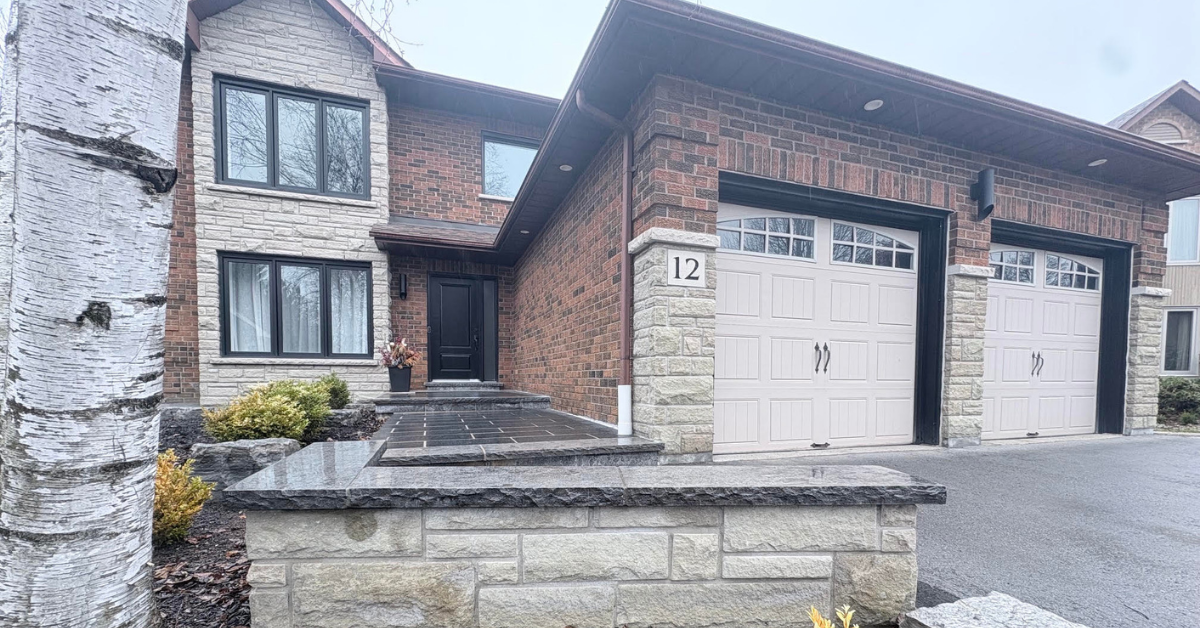
Brickwork can remain part of a building for decades, yet its appearance and strength depend on how well it handles moisture, temperature changes, and everyday exposure. In Aurora, changing weather conditions can gradually affect brick walls, joints, chimneys, steps, and other masonry features. A wall that looks dependable from a distance may have deteriorating mortar, loose bricks, or small gaps that allow water to enter.
For property owners, brick repairs in Aurora are about more than restoring a neat exterior. The right repairs help protect the structure, preserve its original character, and prevent minor defects from developing into larger maintenance concerns. Amore Stone Masonry helps property owners address damaged brickwork through repairs suited to the condition of the masonry, whether the issue involves isolated cracks, failing mortar, or sections that need rebuilding.
Why Brickwork Needs More Than Occasional Maintenance
Brick is known for its durability, but the mortar between bricks plays an equally important role. It holds the masonry together, fills the joints, and helps limit water penetration. As mortar ages, it can weaken, crack, or separate from the surrounding bricks. Once these joints begin to fail, moisture can enter areas that were previously protected.
Aurora’s seasonal weather makes these concerns particularly important. Water can enter small openings during wet conditions and freeze when temperatures drop. As the water expands, it can put pressure on the surrounding masonry. Repeated freezing and thawing may gradually cause cracks, surface damage, and loose sections. Other factors can contribute to brick deterioration, including settling, poor drainage, previous repairs using incompatible materials, and prolonged exposure to moisture. Recognizing these causes helps property owners look beyond visible damage and consider what needs to be corrected to support lasting repairs.
Brick Damage That Property Owners Should Not Ignore
Not every crack requires extensive rebuilding, but changes in brickwork should be assessed before the damage spreads. Certain signs can help identify when professional attention may be necessary.
- Cracked or crumbling mortar can indicate that the joints are losing their ability to hold the brickwork together and resist moisture.
- Loose or displaced bricks may point to deteriorating mortar, movement within the structure, or damage caused by water and temperature changes.
- Flaking brick surfaces can occur when moisture affects the outer face of the brick, particularly during repeated freeze-thaw cycles.
- White powdery deposits on brickwork may be efflorescence, which forms when moisture carries dissolved salts to the surface. Although it may be primarily cosmetic, the moisture source should be investigated.
- Cracks around windows and doors can develop from movement, stress, or deterioration near openings and should be evaluated according to their size and pattern.
- Water entering through masonry can affect nearby finishes and may contribute to damp areas inside the building.
The location and pattern of these problems matter. A small crack in one mortar joint may require a different approach from a stair-step crack extending across several courses of brick. Understanding the difference helps determine the appropriate scope of work.
What Goes Into Effective Brick Repairs in Aurora
Successful brick repair begins with identifying the type and extent of damage. Replacing a few visibly damaged bricks without examining the surrounding mortar or moisture conditions may leave the underlying issue unresolved.
Amore Stone Masonry can help property owners address damaged masonry with a repair approach based on the affected area and the condition of the existing materials:
● Inspecting the Existing Brickwork
An inspection helps establish whether the damage is limited to the surface or affects the stability of the masonry. The assessment may include checking mortar joints, identifying loose bricks, examining cracks, and looking for signs of water penetration.
Drainage conditions and nearby features may also need attention if moisture appears to be contributing to the deterioration.
● Removing Deteriorated Mortar
When mortar joints have weakened, repointing may be appropriate. This process involves removing damaged mortar to a suitable depth and filling the joints with compatible new mortar.
Proper preparation matters because new mortar needs a sound surface to bond effectively. Careful removal also helps prevent unnecessary damage to the surrounding bricks.
● Replacing Damaged Bricks
Some bricks become too damaged to remain in place. In these cases, individual bricks may need to be removed and replaced with suitable alternatives.
Matching the existing brickwork involves considering color, size, texture, and joint appearance. A well-matched repair helps maintain a consistent exterior rather than creating an obvious patch that stands out from the original wall.
● Correcting the Source of Moisture
Repairing visible damage is only part of the process when water is involved. Poor drainage, deteriorated joints, or gaps around masonry features may need to be addressed to reduce the risk of recurring problems.
Depending on the location, this may involve improving water runoff, repairing open joints, or addressing damaged areas around adjoining building components.
● Finishing the Repaired Area
The final appearance depends on more than the replacement materials. Mortar colour, joint profile, brick alignment, and surface texture all influence how naturally the repaired section blends with the existing wall.
Careful finishing helps preserve the architectural appearance of the property while restoring the affected masonry.
Why the Right Repair Materials Matter
One common problem with brick repairs is the use of mortar that does not suit the existing masonry. Harder mortar is not automatically better. Older or softer bricks may require a compatible mortar that allows them to accommodate moisture and minor movement without unnecessary stress.
If the replacement mortar is too rigid for the surrounding brickwork, deterioration may eventually affect the brick faces instead of remaining within the joints. The correct material depends on factors such as the age of the building, the type of brick, the original mortar, and the exposure conditions.
Color matching is another consideration. Mortar can look different after curing, and the appearance of a repair depends on the sand, cementitious materials, mix, and finishing technique used.
Choosing appropriate materials helps the repair function properly while maintaining the character of the original masonry.
Repairing Brickwork Around Different Parts of a Property
Brick damage does not always occur across an entire wall. It can develop in specific areas that experience different levels of moisture, movement, and exposure.
Area | Common concern | Typical repair consideration |
Exterior walls | Cracked joints and displaced bricks | Repointing, brick replacement, and moisture assessment |
Chimneys | Weathered mortar and damaged brick faces | Localized masonry repairs and inspection of exposed sections |
Steps and entryways | Loose bricks and deteriorated joints | Rebuilding unstable sections and restoring sound joints |
Window and door surrounds | Cracking and gaps | Assessing movement and repairing affected masonry |
Garden walls | Water exposure and shifting sections | Repointing, brick replacement, and evaluating stability |
Brick veneer | Cracks, gaps, or movement | Checking the veneer assembly and addressing the underlying cause |
The repair method should reflect the function of the masonry. A decorative brick feature may need a different scope of work from a wall that forms part of the building’s structural system.
Where cracks are substantial, widening, or associated with noticeable movement, a qualified professional may need to determine whether further structural assessment is required before repairs begin.
How Timely Repairs Help Protect a Property
Putting off masonry maintenance can allow water to enter through openings and affect increasingly larger sections of brickwork. Mortar that could initially be repaired in a limited area may deteriorate further, while damaged bricks can become harder to replace without disturbing neighbouring materials.
Timely repairs offer several practical benefits.
- Protection against moisture by closing gaps and restoring deteriorated joints where appropriate.
- Better exterior appearance by addressing uneven joints, damaged brick faces, and visible patchwork.
- Preservation of existing materials by repairing serviceable sections instead of replacing more masonry than necessary.
- More manageable maintenance by identifying developing problems before they spread.
- Improved property upkeep by maintaining brick features that contribute to the building’s overall condition and appearance.
The aim is not to replace every older brick or make every wall look new. It is to determine which areas need attention and repair them in a way that suits the existing masonry.
Choosing a Masonry Professional for Brick Repairs
Brickwork requires an understanding of materials, mortar compatibility, weather exposure, and the causes of deterioration. Property owners should look for a professional who assesses the affected area before recommending a repair and explains why a particular method is appropriate.
Amore Stone Masonry provides masonry services for property owners who need attention for deteriorating brickwork and related masonry concerns. A repair plan should account for the visible damage, the condition of surrounding materials, and any factors that could contribute to further deterioration.
Working with a qualified masonry restoration contractor can also help property owners determine whether the project calls for repointing, selective brick replacement, localized rebuilding, or a broader restoration approach. Clear communication about the work involved, the materials required, and the expected finish makes it easier to understand the repair process.
In Conclusion
Brickwork can withstand years of exposure, but it still needs appropriate care when mortar begins to crumble, bricks become loose, or cracks appear across a wall. Addressing these issues early can help protect the masonry, preserve the property’s appearance, and limit the spread of moisture-related damage. With a repair approach based on the condition of the existing materials, property owners can maintain their brick features without unnecessary replacement.
Amore Stone Masonry helps property owners address masonry deterioration with repairs suited to their property’s needs. For professional brick repairs in Aurora, contact Amore Stone Masonry to discuss the condition of the brickwork and determine the next steps toward restoring its appearance and durability.


